Numbers Stations
Number stations are mysterious shortwave radio broadcasts that transmit long sequences of spoken numbers, letters, or Morse code, almost certainly as encrypted messages for spies.
Introduction
A number station is a radio station on the shortwave band that repeatedly reads out groups of numbers or letters in a flat, usually synthetic voice. These broadcasts have been heard since at least World War I and became very common during the Cold War.
The mainstream view among experts is that they are run by intelligence agencies to send secret instructions to agents in foreign countries. In some real espionage cases (like the Cuban Five and the Russian “Illegals Program”), courts confirmed that agents used shortwave number broadcasts plus codebooks or one‑time pads to decode orders.
How stations work
Stations transmit on high‑frequency (shortwave) bands, which can travel worldwide with modest power, so a spy with a simple radio can receive them almost anywhere. The message is usually encrypted with a one‑time pad: you add a secret random key to the real message, and if the pad is used only once and kept secret, the code is theoretically unbreakable.
Many stations start with an “interval signal” such as a short tune or beeps (for example, the famous “Lincolnshire Poacher” melody) to identify the station and signal that a message is coming. Then a voice (often female and mechanical‑sounding) announces some preamble, followed by long strings of 4‑ or 5‑digit groups, sometimes repeated, and then a clear “end of message” marker.
Notes
Governments almost never officially explain them; one UK official once hinted that they are “not for public consumption,” which fits the spy theory. Many of the stations have nicknames given by hobbyists (like “Lincolnshire Poacher” or “The German Lady”), and some are still active today, so the mystery continues.
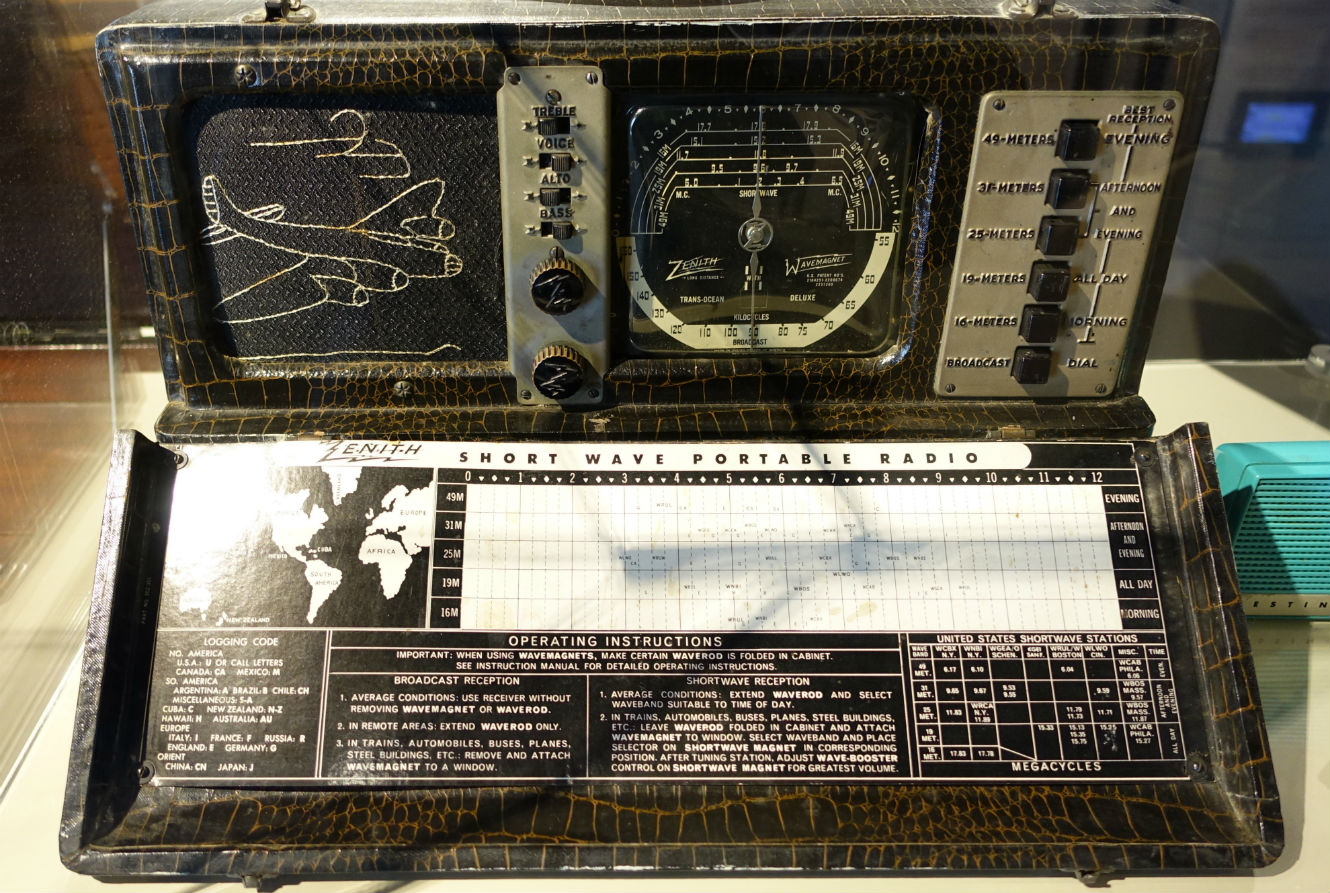
(source: warontherocks.com)
Quick tutorial
- run
gqrxsoftware defined radio - set center frequency to one of the station
- select
AM,CW,USBorRTTYdecoding modes - listen