HAM radio
Ham radio (also called amateur radio) is a hobby and non-commercial radio service where licensed people use special radio frequencies to communicate with each other, often over very long distances.
Introduction
Ham radio uses parts of the radio spectrum that governments reserve specifically for amateur (non‑professional) use. Operators (“hams”) talk one‑to‑one, not like broadcast radio where one station talks to thousands of listeners.
People can talk locally or worldwide using voice, and text‑like digital modes, or Morse code. It can provide backup communication in emergencies and disasters when phones and the internet fail. Some can also experiment with antennas, radios, and digital modes to learn electronics and radio propagation.
In ham radio shorthand, both QRX and QSO come from the international “Q‑codes” used to save time, especially in Morse code:
- QRX means “stand by” or “I will call you again at …”
- QSO means “radio contact” or “conversation over the air”
- QTH means “my location is” or “what is your location?” (your operating position, like home or a portable site)
- QRM means “you are being interfered with” or “I am being jammed by other signals.”
- QSL means “I acknowledge receipt” or “can you confirm?”
- QRZ means “who is calling me?”
These Q-codes save time in Morse or busy voice chats, building on our earlier talk about QRX (stand by) and QSO (contact).
Howto and rules
Technically, you use a transceiver (radio that can transmit and receive), an antenna, and sometimes repeaters (relay stations) to extend range. Different “bands” (frequency ranges) are better for local vs long‑distance contacts, depending on time of day and conditions.
However you should respect some international rules:
- You must pass an exam to get a license and callsign, mainly to show you know the rules and basic radio theory
- You are not allowed to use ham radio to make money or broadcast entertainment like music; it is strictly non‑commercial
- You should have a rdio license to transmit on radio bands
Imagine using a walkie‑talkie, but much more powerful and flexible, with the ability to reach another person in another country (or in space) using your own equipment and knowledge of radio.
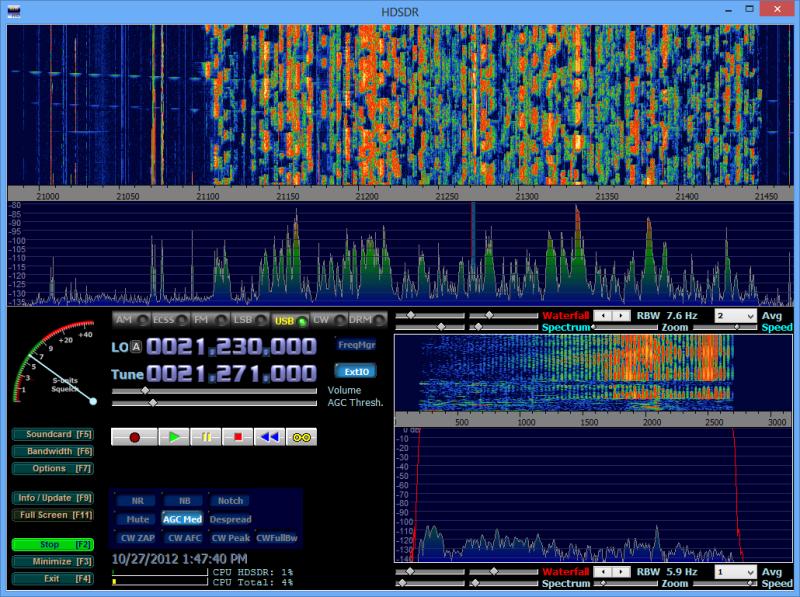
(source: newhams.info)
Frequencies
Ham radio uses many bands, but a few ranges and “calling” frequencies are especially common. Frequency allocations vary by country, so treat these as general examples and always check your national band plan.
Popular HF bands (long distance)
80 m: around 3.5–4.0 MHz, very popular at night for regional contacts40 m: around 7.0–7.3 MHz, good day and night for medium/long distance20 m: 14.0–14.35 MHz, classic worldwide DX band, very busy in daytime15 m: 21.0–21.45 MHz, good for DX when solar conditions are good10 m:28.0–29.7 MHz, local plus long‑distance when propagation opens
Popular VHF/UHF bands (local)
2 m: 144–148 MHz, main local FM/repeater band, plus weak‑signal SSB/CW.70 cm: 430–440 MHz or 420–450 MHz (regional differences), used for FM, repeaters, and satellites.
Common calling / “listen here” frequencies are places where many hams monitor to find contacts (exact usage can vary by country):
146.520 MHz: 2 m FM national simplex calling frequency.144.200 MHz: 2 m SSB weak‑signal calling frequency.446.000 MHz: often used as a 70 cm FM calling/simplex frequency.- around
14.300 MHz: widely used for maritime and emergency nets on 20 m.
Quick tutorial
- run
gqrxsoftware defined radio - set center frequency to one from HAM radio bands
- select
AM,NFM,USBorUSBdecoding modes - listen and enjoy